
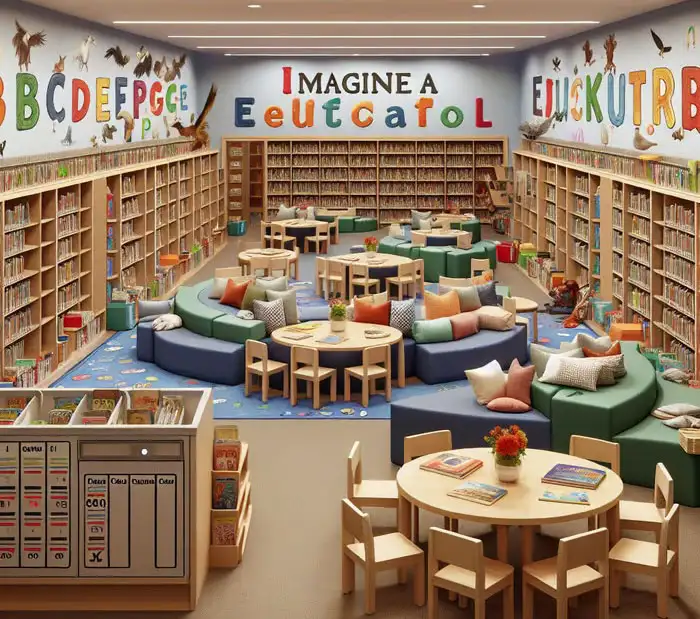
Smarter Digital Library Solution is a new initiative that will transform Library Operations
Libraries have grown into much more than just books and manual record registers! In today's landscape, schools require quick access to information, effective resource utilization, correct reporting, and smooth user experience. From school libraries, resource centres, to universities and learning centres, handling thousands of books, digital resources, members and transactions manually can become overwhelming.
A modern Library Management System can facilitate the organization, automation and streamline of library operations from a single centre. Librarians can manage and maintain the entire library with one digital solution, rather than spending time looking for records, chasing down overdue books, keeping track of memberships, and creating reports by hand.
The emsPlus Library Management System aims to assist educational institutions to build an efficient, organized and future-ready library. This automation of repetitive work and visibility of resources can help institutions to optimize the learning experience and decrease administrative workload.
Library Management Systems: What are they?
Library Management System (LMS): Software designed to help libraries to manage user transactions, user information, collection information, acquisition of materials, and report on library activities via a single platform.
Consider a library as an organism. Books are checked out and returned to the library each day, new resources are added, student and teacher memberships are changed, and information is sought on a daily basis. The manual management of all these activities can lead to inefficiencies, inaccuracies and delays.
Library Management System is the main control centre for library operations. It streamlines information organization, process automation and allows librarians to access reliable data at any time and any place.
A digital library system is a system that provides structure, transparency and operational efficiency, regardless of whether there is a hundred or a hundred thousand of resources.

Why is Digital Transformation necessary for modern libraries?
Schools are undergoing digital transformation in every facet of their operations, from admissions to academics, communication to administration. Libraries should not be an exception.
Internet users today are accustomed to immediate access to information. They wish to use information on the internet, to check information at the click of a mouse, and to receive library services in the quickest possible time. Librarians require tools that streamline administration and deliver valuable information about the use of resources and member activity.
Manual systems can present a number of problems including:
- Users struggle to locate library resources.Users have difficulty in accessing library resources.
- Inaccurate inventory records
- Time-consuming borrowing processes
- Limited reporting capabilities
- Inefficient member management
- Resource allocation challenges
- Not having visibility of what is happening in real time.
However these challenges can be solved by using a modern Library Management System which provides a better experience to students, faculty members and library administrators.
Organized Record-Keeping : The Foundation of an Efficient Library
All libraries are dependent upon the maintenance of accurate and orderly records. It is becoming more difficult to find resources, record transactions and keep inventory without record management.
The emsPlus Library Management System will integrate all the library information into one database. The books, journals, digital resources, member profiles, circulation records, acquisitions and transaction histories are kept securely and systematically.
This can help librarians get the information they need in real-time, while maintaining accurate and current records.
Staff can spend their time better supporting students and enhancing library services, rather than searching through spreadsheets, registers, or multiple systems.
It also creates an atmosphere of accountability, as records can be easily kept and follow the usage of resources, and their accuracy over time can be monitored more easily.

Using an LMS to Improve Library Efficiency
Lots of information is created in libraries on a daily basis. Manual management of these activities can cause delays in operations and lead to error.
A separate Library Management System can assist in reducing the burden of repetitive tasks and streamline all the activities of the Library.
The platform acts as a single desktop for librarians to access inventory, track transactions, keep member records up to date, process acquisitions and create reports all from a single application.
This streamlined approach minimizes administration time and enhances service delivery.
The advantages are not only for library management but also for education institutions. Students get quicker access to resources, teachers have increased support and administrators have insight into the performance of the library and how resources are being used.
Catalogue Management Made Easy
The catalogue is the backbone of any library. When no catalogue exists, it may be a frustrating experience for librarians and users to find resources.
Institutions can use the Catalogue Management feature to keep a well organized and searchable database of all the resources in the library.
Efficiently categorize, index and manage books, journals, research materials, multimedia resources and digital content.
Any user can search for resources by title, author, subject, category, keywords, or unique identifiers.
This facilitates discoverability of resources and decreases the time it takes to find resources.
The more collections that are added to a library, the more important it becomes to have effective catalogue management to keep library collections in order and accessible without adding to complexity.
Efficient Circulation Management
Manual tracking of loans and returns can be time-consuming and cumbersome.
The Circulation Management feature streamlines the overall lending process and allows easier tracking of the flow of resources and enhances the user experience.
Librarians can issue books, process returns, keep track of due dates, renew books, and track overdue books from a single dashboard.
Transactions are quickened and resources are more accessible for students and faculty.
The system also ensures the complete transaction history and real-time circulation records of the materials, which helps reduce the risk of lost materials.
This will help to streamline workflows and enhance accountability in library operations.
Comprehensive Member Management
A library is intended for a variety of user groups such as: Students, teachers, faculty members, researchers and administrative staff.
Growing institutions can make managing memberships more and more difficult.
Member Management allows libraries to keep member records up to date and to streamline membership registration, renewals and access control.
Librarians can easily monitor borrowing records, track users' membership and privileges.
Centralization of member information will enhance service quality and provide individualized service to library users.
This helps to reinforce engagement for educational institutions by making library services more accessible and user-friendly.
Streamlined Acquisition Management
Strategic planning and effective resource acquisition are a key element in building and maintaining a strong library collection.
Acquisition Management feature provides libraries with support for the acquisition process from the request to the acquisition.
Librarians can monitor all purchases, oversee vendor records, keep watch on budget, and document new resources effectively.
This increases transparency on collections development and assists institutions to make decisions when purchasing collections.
Efficient acquisition processes help libraries ensure that the resources they acquire meet academic demands and fit within their budget.
A well-managed acquisition process also enables institutions to be responsive to changing educational needs and user needs.
Reporting and Analytics for Improved Decision Making
Valuable data can be collected in modern libraries, which can be used for strategic planning and optimization of resources.
The Reporting and Analytics feature gives users insights to guide action, including library performance, collection utilization, circulation trends, member activity, and acquisition effectiveness.
Rather than guess, administrators can make decisions based on actual data.
For instance, libraries can determine the most frequently used materials, track borrowing trends, assess collection effectiveness, and assess the number of users who are engaging with the library.
These learnings are used to make proper use of budget, better resource availability, and better overall library service.
With such a data-driven learning environment, analytics are an integral part of the equation when looking at maximizing the value that libraries can bring to the table.
Supporting Digital and Hybrid Learning Environments
Education is going digital – and so must libraries.
The modern Library Management System is designed to facilitate a hybrid library service for both physical and electronic resources, which creates a hybrid learning environment to accommodate today's students.
Students will be able to access information more efficiently, librarians can manage information resources more effectively, and institutions can assist in learning outside the classroom.
Libraries that are technologically oriented are becoming part of digital transformation in education, therefore have greater potential to help achieve academic success and institutional growth.
Why Educational Institutions Choose emsPlus Library Management System
The K-12 community needs a solution that's reliable, scalable, and easy to use.
The emsPlus Library Management System has been developed specifically for Education, and excels in ensuring workflows fit the unique requirements of schools, colleges and universities and training centres.
The platform offers institutions reduced administrative burden, better resource visibility, better member engagement and increased operational efficiency.
The system can be smoothly incorporated into the broader educational landscape, enabling schools and institutions to offer more comprehensive and connected experiences for students, teachers, and administrators.
From building a small school library to a large University collection, emsPlus offers flexibility to help you meet evolving needs and grow.
Frequently Asked Questions
Yes. The system is designed to accommodate more collections and members as well as changing educational requirements.
Make your library Smart Digital Managed.
Libraries continue to be one of the most valuable assets of any educational institution. But, more than traditional methods are needed to handle the increasing collections, memberships, and resource needs.
The emsPlus Library Management System assists libraries in building organized, efficient and future-proof libraries with intelligent resource management, automation and visibility.
From improving catalogue management to streamlining circulation, improving member experiences, strengthening reporting, supporting digital learning, and everything in between, emsPlus has the tools to transform library operations.
Looking for ideas to “modernize” your library?
Request a custom demo and see how emsPlus can streamline library administration, boost efficiency and enhance student and teacher learning.
Identify the ways the library can become a better educational asset.
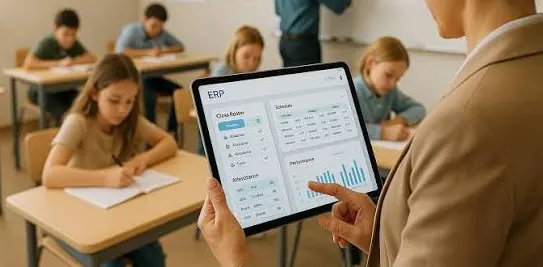

University ERP
The administration of a modern university is increasingly getting more complicated yearly.
College ERP
The administration of a college is much more complicated than the day to day affairs of the college.

School ERP
There are hundreds of activities that need to be managed in a modern education institution daily