RFID Attendance System for Schools Malaysia : Revolutionizing School Attendance in the Digital Age
Taking attendance is the first important activity that takes place in every school day.
Attendance tracking, while an administrative task, is an important component to ensure student safety, track student academic engagement, inform parents, and assist in school management decisions.
A large number of schools in Malaysia are still using the conventional way of checking attendance, which includes using paper registers, roll calls, or spreadsheets. These techniques have been employed for years but can bring problems like:
- Time-consuming attendance processes
- Recordation of information by human beings
- It is hard to keep track of student mobility
- Delayed attendance reports
- Additional administrative workload
Education institutions are implementing smarter solutions to enhance their day-to-day operations as they make the transition to digital transformation in schools.
An RFID Attendance System Malaysia is one of the solutions, which is a technology-based attendance management system to automate attendance tracking of students.
Schools can use the RFID (Radio Frequency Identification) technology to instantly record students' attendance upon scanning with their RFID-enabled identification cards. It automatically records attendance, securely stores data and gives teachers, administrators and management teams real-time access.
Whether in primary schools, international schools, colleges and universities, or tuition centres, RFID technology contributes to a safer, faster and more efficient learning environment.
How Does RFID Attendance System Work?
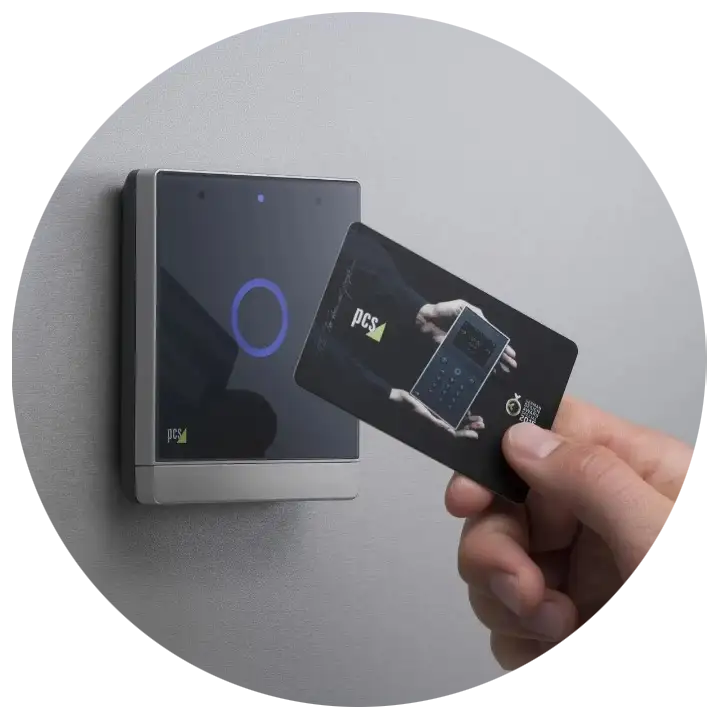
An RFID Attendance System is an electronic system to capture attendance automatically with the help of an RFID card and the reader.
Students tap their RFID card on a reader located in various places like:
- School entrances
- Classrooms
- Laboratories
- Libraries
- Campus access points
This system automatically logs:
- Student identity
- Date and time
- Attendance status
- Information about entering and exiting a location.
This information is automatically stored in attendance management software, allowing schools to access accurate attendance data anytime.
Unlike the traditional attendance system, RFID can reduce manual work and ensure accurate and reliable digital records.
Understanding the operation of an RFID Attendance System
Even though RFID technology is based on advanced identification techniques, it is simple for students and teachers.
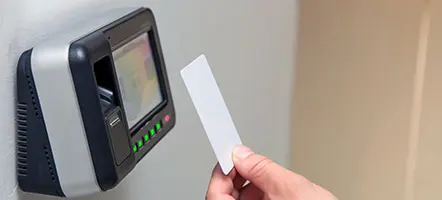
Step-by-step process:
RFID Card Assignment
The provided RFID identification cards are issued to each student, teacher or staff member.
RFID Reader Installation
RFID readers are placed at the key points, like school gates, classes, campus facilities and so on.
Student Card Scanning
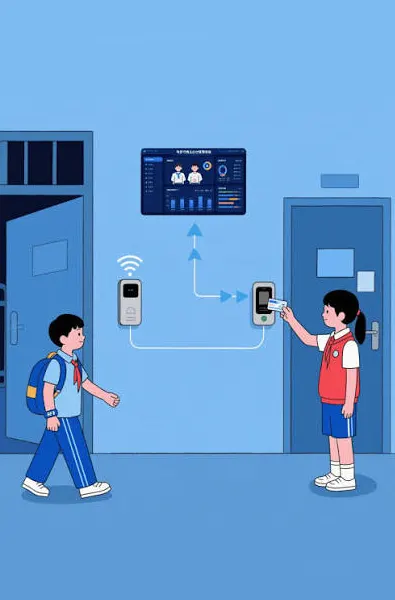
Student taps the RFID card next to the reader when they enter to the campus or classroom.
Automatic Data Recording
The reader reads the data from the card and transmits the attendance data to the software system.
Real-Time Attendance Updates
Attendance records are available in a single dashboard for teachers and administrators.
Parent Notifications
Communication systems can be integrated into them so parents can be notified of the school's arrival and departure times automatically.
Why Malaysian Schools Need an RFID Attendance System
Malaysia's education system is shifting towards being tech-oriented. Schools are seeking solutions that are more efficient and effective and deliver a better experience for students, staff and parents.
Manual attendance management becomes hard work when the education institutions increase in size.
An RFID attendance system can address a lot of the typical issues that schools encounter.
1. Conserves Classroom Time
The teacher logs student attendance in by hand for several minutes per class.
This is a small amount of time, but can be significant when taken up across several classes and academic years.
With RFID attendance:
- Attendance is taken in seconds.
- Teachers are able to teach more.
- Less classroom interruption occurs
- Time dedicated to administrative activities is saved.
Schools can set up a more effective and productive learning environment by automating attendance.
2. Improves Attendance Accuracy
When taking manual attendance, you run the risk of committing the following errors:
- Incorrect marking
- Missing records
- Duplicate entries
- Lost attendance registers
Many of these issues can be avoided with the use of an RFID attendance system.
Every RFID card is different and when someone attends, they are assigned a number that matches the RFID card.
This assists schools to keep accurate records for:
- Academic reports
- Compliance requirements
- Parent communication
- Student monitoring
3. Improves student safety and campus security
Schools and parents take security of their students very seriously. Parents want to be confident that their children are safe at school.
An RFID attendance solution offers greater visibility as it can capture:
- Student arrival time
- Student departure time
- Campus access information
With integrated notifications, parents can receive updates about their child's attendance status. This enhances trust between school and families.
4. Reduces Administrative Workload
Attendance management is not a matter of simply marking students' attendance.
School administrators frequently are required to:
- Prepare attendance reports
- Track absenteeism
- Verify records
- Maintain documentation
An RFID system is used to automate these processes. No more time-consuming manually checking registers to create reports. This enables administrative teams to concentrate on more important activities. Familiar with and ready to use Real-Time Attendance Monitoring. The most significant benefit of RFID is the ability to instantaneously access attendance information. School management does not need to wait until the end of the school day in order to check attendance.
Real time data enables schools to:
- Identify attendance patterns
- Monitor student punctuality
- Detect frequent absences
- Take early action
This aids in the better decision making and better overall school management.
5. Prevents Proxy Attendance
One of the problems of the traditional attendance system is proxy attendance. Students can sometimes make other students' attendance when they take attendance by verbal roll calls. The risk is minimized with the use of RFID technology due to the attendance being associated with a unique student ID card. This makes it easier and more accurate to keep track of who is attending and who is not.
6. Generates Smarter Attendance Reports
The data of attendance can be useful if the schools analyse it correctly.
An RFID attendance system can automatically produce the following reports:
- Daily attendance reports
- Monthly attendance summaries
- Student attendance history
- Class-wise attendance analysis
The findings support teachers and administrators in pinpointing students that might require extra support.
7. Provides assistance for Growing Schools and Institutions.
The following are some of the things a scalable RFID attendance system can help with:
- New classrooms
- Additional campuses
- More students
- New facilities
Whether it is a small tuition centre or a large university, RFID technology can grow with the institution.
8. Builds Parent Confidence Through Transparency
Modern parents expect better communication from schools.
They want updates about:
- Attendance
- Safety
- Student activities
RFID attendance systems improve transparency by providing accurate and timely information. This strengthens collaboration between schools and parents.
9. Creates a Smart Campus Ecosystem
RFID technology is not limited to attendance.
A single RFID card can support multiple campus activities, including:
- Library access
- Book borrowing
- Hostel entry
- Laboratory access
- School transportation tracking
- Cashless canteen payments
- Event management
This helps institutions build a connected smart campus.
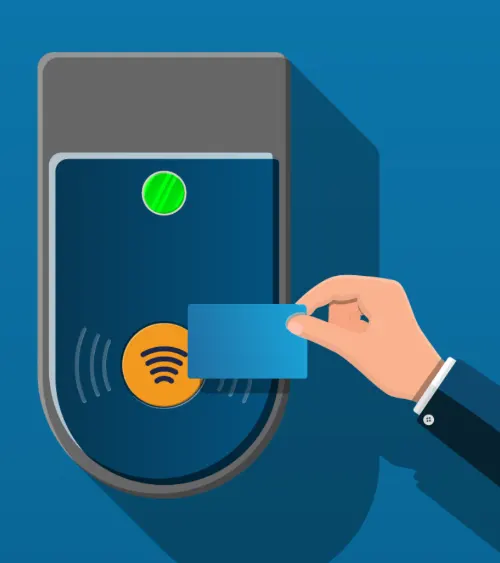
Applications of RFID Technology Beyond Attendance
Many schools initially adopt RFID for attendance management, but the technology can support several other campus operations.
An integrated RFID solution helps educational institutions move towards a complete smart campus environment.
RFID-Based Access Control System
Security is an important part of modern education facilities.
RFID-enabled ID cards can be used to manage access to:
- Classrooms
- Laboratories
- Staff areas
- Hostels
- Administrative departments
Only authorized users can access specific areas, improving campus security.
RFID in Library Management
Libraries manage thousands of books and student transactions every day.
RFID technology helps simplify:
- Book issue and return
- Student identification
- Inventory tracking
- Lost book management
Students can use their RFID cards for faster library services while librarians can manage resources more efficiently.
RFID for Cashless Canteen Payments
Many educational institutions are moving towards cashless payment systems.
RFID cards can work as digital payment tools, allowing students to purchase food without carrying cash.
Benefits include:
- Faster transactions
- Better payment tracking
- Improved convenience
- Parent monitoring options
Parents can also monitor spending activity and recharge student accounts digitally.
RFID for Asset Management
Schools manage many valuable assets such as:
- Computers
- Laboratory equipment
- Projectors
- Sports equipment
- Furniture
RFID tags help institutions track and manage these resources effectively. This reduces asset loss and improves inventory management.
RFID-Based School Transport Tracking
Student transportation safety is another major concern.
When RFID is integrated with school buses, institutions can monitor :
- Student boarding
- Student exit
- Transport records
Parents and schools can have better visibility into student transportation activities.
How emsPlus Improves RFID Attendance Management
An RFID attendance system becomes more powerful when integrated with a complete education management platform.
emsPlus helps educational institutions connect attendance data with their daily academic and administrative operations.
Instead of managing separate systems, schools can access everything through one centralized platform.
With emsPlus, RFID attendance data can connect with:
- Student profiles
- Class schedules
- Academic records
- Parent communication
- Attendance reports
- Management dashboards
This reduces duplicate data entry and improves operational efficiency.
Benefits of Using emsPlus RFID Attendance Solution
Centralized Attendance Management
Schools can manage attendance records from one dashboard instead of maintaining multiple registers.
Faster Reporting
Administrators can generate attendance reports instantly for:
- Students
- Classes
- Departments
- Academic periods
Better Student Monitoring
Schools can identify attendance patterns and support students who require additional attention.
Improved Communication
Attendance updates can be shared with parents through integrated communication features.
Supports Different Educational Institutions
emsPlus RFID attendance solutions are suitable for:
- Malaysian schools
- International schools
- Colleges
- Universities
- Tuition centres
- Coaching institutes
Best Practices for Implementing an RFID Attendance System
A successful RFID implementation requires proper planning.
Educational institutions should consider the following steps:
1. Choose Durable RFID Cards
Select RFID cards that can handle daily student usage and provide long-term reliability.
2. Install Readers in Strategic Locations
Place RFID readers at important points such as:
- Main entrances
- Classrooms
- Laboratories
- Libraries
3. Train Teachers and Administrators
Staff members should understand how the system works and how to access attendance reports.
4. Educate Students and Parents
Schools should explain the benefits and usage process before implementation.
5. Test the System Before Launch
Conduct proper testing to ensure smooth operation.
6. Maintain Data Security
Schools should follow proper security practices, including:
- Controlled access
- Regular backups
- Secure data management
Why Schools Should Invest in an RFID Attendance System
Education is becoming increasingly digital, and schools need technology solutions that improve efficiency while supporting better student experiences.
An RFID attendance system helps institutions:
- Save classroom time
- Improve attendance accuracy
- Strengthen campus security
- Reduce administrative workload
- Improve parent communication
- Build smarter campuses
For schools looking to modernize their operations, RFID technology provides a practical step towards digital transformation.
Frequently Asked Questions
Build a Smarter and Safer Campus with RFID Technology
Attendance management is more than recording who is present or absent. It plays an important role in student safety, academic monitoring, communication, and efficient school administration.
As Malaysian educational institutions continue adopting digital solutions, traditional attendance methods are being replaced by smarter technologies.
An RFID Attendance System Malaysia solution helps schools automate attendance, reduce manual work, improve accuracy, and create a connected campus environment.
With emsPlus, schools can move beyond basic attendance tracking and build a complete digital education ecosystem that benefits administrators, teachers, students, and parents.
Ready to transform your school's attendance management? Explore how emsPlus RFID solutions can help create a smarter and more efficient campus.


University ERP
The administration of a modern university is increasingly getting more complicated yearly.

College ERP
The administration of a college is much more complicated than the day to day affairs of the college.

School ERP
There are hundreds of activities that need to be managed in a modern education institution daily