
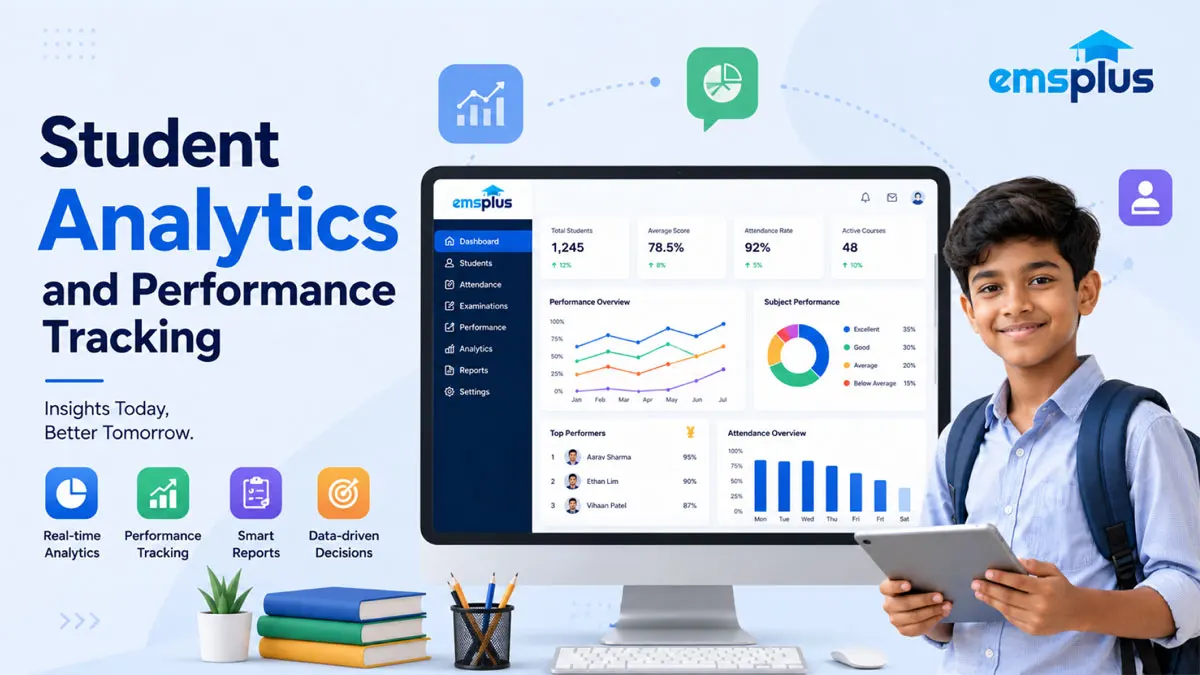
Schools generate thousands of data points every academic year. Attendance records, exam scores, assignment completion, and teacher observations give you a clear look at student progress.
Most Malaysian schools already have plenty of student data. You just need to turn that information into decisions that actually help students learn.
Modern student information systems organize academic and behavioral records in one place.
You can combine them with analytics tools to spot learning gaps and monitor performance.
Teachers step in and provide support before a small issue becomes a massive problem.
Student analytics is now a core part of school management. Malaysian schools use this data to push student success forward.
Why student data has become a strategic asset
Student records are one of your best tools for improving educational quality.
Every attendance log, assessment score, and homework submission builds a clearer picture of how a student actually learns. You can rely on measurable information to identify:
- Students who need academic intervention
- Subjects with declining performance
- Attendance patterns affecting learning
- Classroom engagement levels
- Overall institutional performance
Well-organized data supports your academic planning and daily operations.
The different types of student data schools should monitor
Some pieces of information matter more than others. You benefit most from collecting data that directly supports teaching and operational planning.
| Student Data | How Schools Use It |
|---|---|
| Attendance | Identify absenteeism and engagement patterns |
| Examination Results | Measure academic achievement |
| Assignment Completion | Monitor learning consistency |
| Behaviour Records | Support student wellbeing |
| Teacher Feedback | Provide qualitative academic insights |
| Co-curricular Participation | Track overall student development |
Looking at these datasets together builds a complete picture of student life. For example, declining grades and falling attendance usually mean a student needs extra academic support.
Turning student information into actionable insights Schools get real results when they analyze information and apply it to daily decisions. Teachers can just review weekly performance trends to stay ahead.
School leaders can identify:
- Students needing additional support: Low attendance and bad assessment results highlight students who probably need early intervention.
- Subjects requiring curriculum review: If multiple classes constantly underperform in one subject, you might need to adjust your teaching strategies.
- Resource allocation: Analytics show exactly where new teaching resources or tutoring programs will make the biggest impact.
This approach pushes educational outcomes higher without burying staff in extra administrative work.
How student information systems support academic performance Modern student information systems connect multiple academic processes into a single platform. Administrators and teachers access real-time information straight from one dashboard.
/A connected system usually brings together:
- Student profiles
- Assessment records
- Attendance history
- Timetables
- Teacher comments
- Academic reports
- Parent communication history
Every department works from the exact same information. This cuts out duplicate data entry and keeps your reporting accurate. Teachers spend fewer hours typing up reports and more time actually talking to students.
Using data analytics for better classroom management
Classroom management involves understanding exactly how students respond to your lessons and assignments. Analytics software helps teachers spot hidden patterns during daily teaching.
Examples include:
- Classes with lower assignment completion rates
- Students frequently arriving late
- Performance differences between assessment types
- Seasonal attendance changes during examination periods
Teachers use these exact details to adapt their lesson plans based on hard evidence. Making small adjustments throughout the academic year has a massive impact on final grades.
Building a data-driven school culture
Schools need strict, consistent processes for collecting and reviewing information to make good decisions. A strong data culture usually includes:
| Practice | Benefit |
|---|---|
| Standardised data collection | Improves reporting accuracy |
| Regular academic review meetings | Supports early intervention |
| Shared dashboards | Keeps departments aligned |
| Secure user permissions | Protects student information |
| Continuous staff training | Improves data quality |
Collaboration gets much easier when your teachers and administrators pull from the same trusted information. Teams just spot a problem and immediately focus on solving it.
Protecting student information responsibly
Protecting student records becomes a massive priority as your school collects more digital information. Student databases should include:
- Role-based access controls
- Secure authentication
- Regular backups
- Encrypted data storage
- Audit trails for record changes
Good data management protects your school and your students. Authorized staff can easily grab the information they need. Malaysian schools that maintain secure records usually see much smoother administrative operations and higher parent confidence.
The future of student analytics in Malaysian schools
Student analytics is moving past basic reporting. Many schools now bolt together academic records and attendance data to get a clearer read on student progress.
Future developments may include:
- Predictive academic performance analysis
- Personalised learning recommendations
- AI-assisted student support
- Automated performance dashboards
- Real-time parent engagement insights
These technologies give educators better information so they can make fast, accurate decisions.
Frequently Asked Questions
Conclusion
Educational decisions get sharper when you back them up with solid information.
A modern student information system lets Malaysian schools organize attendance and academic records in one connected platform. You combine this information with analytics tools to help teachers spot learning needs early. It forces better leadership decisions and creates a better experience for the students.
Using your data responsibly is just as important as collecting it. Schools that build an evidence-based culture today will easily support their students in the years ahead.